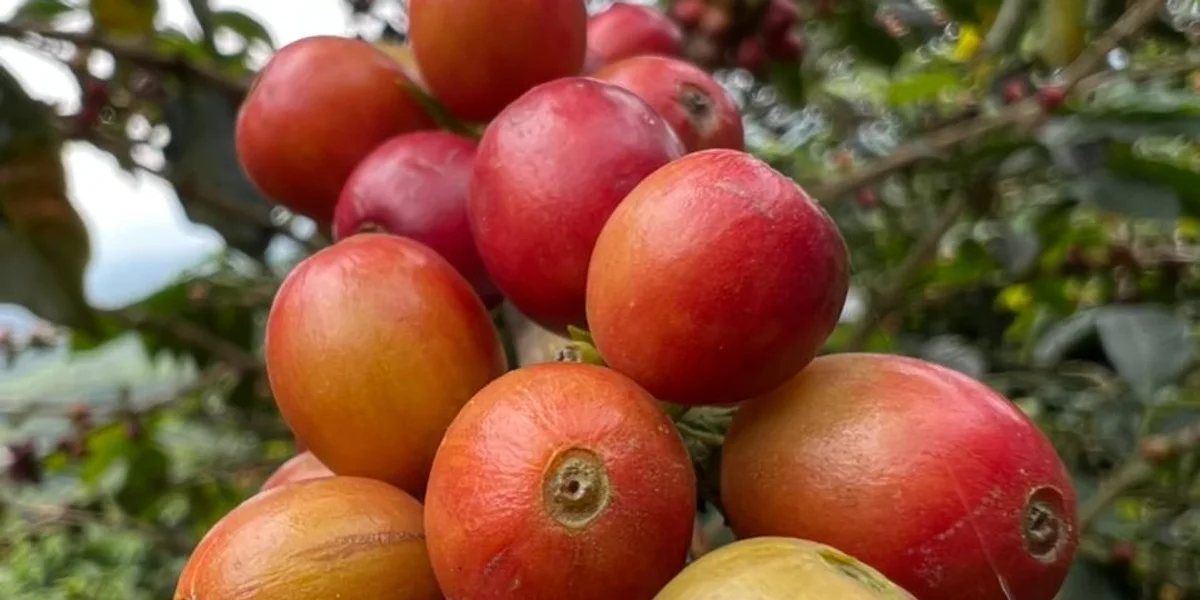
Our guide to the best coffee shops in Cartagena tells you where to drink coffee. This one helps you decide what to buy: how to read a bag, which coffee fits your taste, whether to take beans or ground coffee, and what you need to brew it back home.
The short answer: look for a named place of origin, a roast date, the variety and the process on the bag; choose beans that match how you like your cup and the equipment you own; and treat every description of flavor as a guide, never as a guarantee.
How to buy Colombian coffee in Cartagena
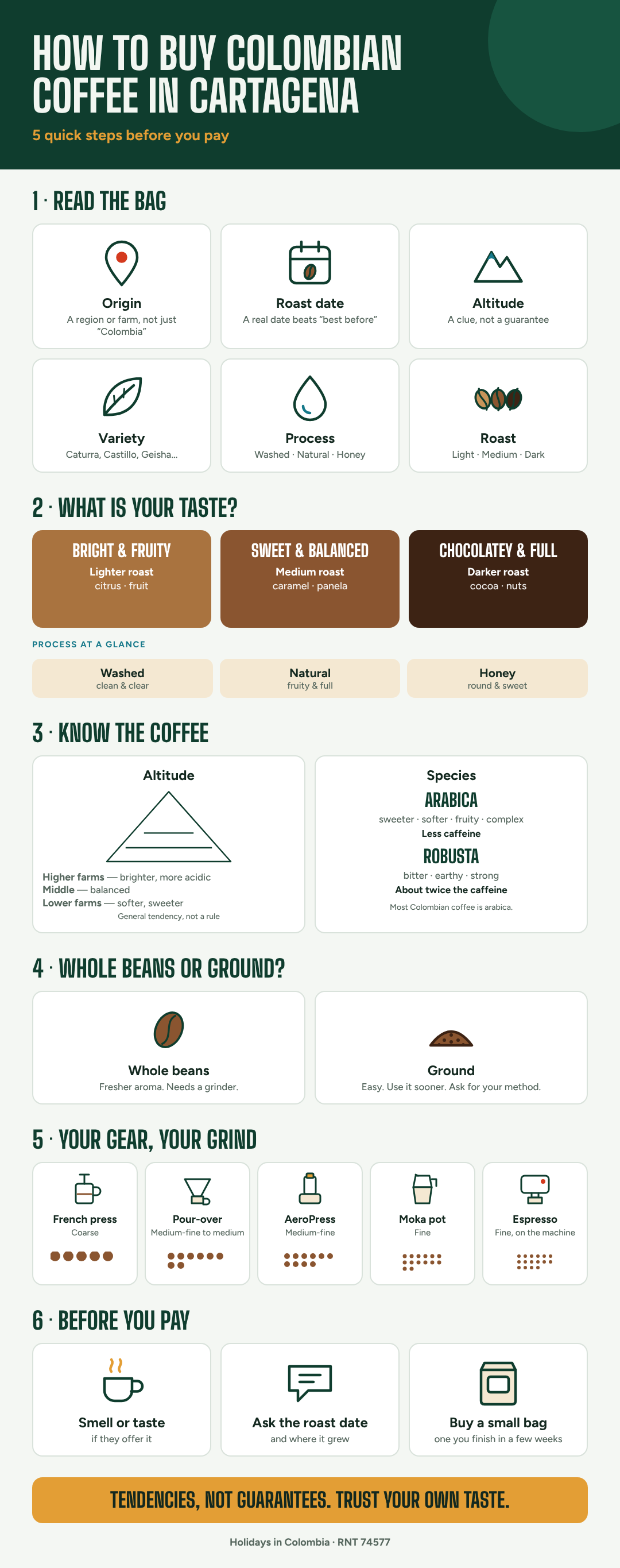
Quick visual guide before you pay
1 · Read the bag
2 · What is your taste?
Process at a glance
3 · Know the coffee
- Higher farms brighter, more acidic
- Middle balanced
- Lower farms softer, sweeter
Arabica
sweeter · softer · fruity · complexLess caffeineRobusta
bitter · earthy · strongAbout twice the caffeine4 · Whole beans or ground?
5 · Your gear, your grind
6 · Before you pay
Tendencies, not guarantees. Trust your own taste.
What should I check on a coffee bag?
Some details on a bag are facts you can read and compare (origin, roast date). Others are the roaster’s description (roast level, tasting notes). Select a label on the bag below to see what it tells you and what it does not.
Interactive coffee bag
Select a label on the bag. The full list is below, so nothing depends on clicking.
Whole bean or ground Printed fact: you can check it on the bag
What it tells you: Whether the coffee has already been ground. Some bags also say which brewing method the grind is meant for.
What it does not guarantee: Ground coffee does not say how fresh it is or how well the grind fits your equipment.
Ask about this coffee: Whole bean if you have a grinder or can buy one. If not, ask for the grind to be set for your method.
Origin Printed fact: you can check it on the bag
What it tells you: The country, department or municipality where the coffee was grown. A narrower origin is easier to trace than just "Colombia".
What it does not guarantee: Origin alone does not say how the coffee tastes or how well it was processed.
Ask about this coffee: A department or municipality, not only the country. Blends should say they are blends.
Farm, producer or cooperative Printed fact: you can check it on the bag
What it tells you: Who grew the coffee. It makes the coffee traceable and lets you look for the producer afterwards.
What it does not guarantee: A named producer is not a quality score. A bag without one is not necessarily worse, only less traceable.
Ask about this coffee: A farm, cooperative or association name. Be cautious with vague words like "premium" with no named source.
Altitude Printed fact: you can check it on the bag
What it tells you: Metres above sea level (masl) where the coffee grew. Higher farms are often associated with denser beans and brighter acidity.
What it does not guarantee: This is a general tendency, not a rule. Altitude does not guarantee a better cup.
Ask about this coffee: A number or a range, ideally from the producer.
Variety Printed fact: you can check it on the bag
What it tells you: The coffee plant variety, for example Caturra, Castillo, Typica, Bourbon or Geisha. Each has typical traits.
What it does not guarantee: A famous variety does not guarantee a better or more expensive cup. Growing place, processing and roast weigh as much.
Ask about this coffee: A named variety. A bag listing several varieties is a mix, which is fine if it is stated.
Process Printed fact: you can check it on the bag
What it tells you: How the fruit was removed from the bean: washed, natural, honey or an experimental process. It shapes body, sweetness and clarity.
What it does not guarantee: Process names are not standardised across producers, and a tendency is not a promise of a flavour.
Ask about this coffee: The process name. If it is experimental, ask what was done.
Roast date Printed fact: you can check it on the bag
What it tells you: When the coffee was roasted. It is the most useful freshness clue on a bag.
What it does not guarantee: A recent date does not make a coffee good, and a "best before" date is not the same thing as a roast date.
Ask about this coffee: A real date rather than only an expiry date. Ask how old the roast is if it is missing.
Roast level Roaster's description: a claim, not a measurement
What it tells you: How far the beans were roasted: lighter roasts tend to keep more of the origin character, darker roasts tend to taste more bitter and toasty.
What it does not guarantee: There is no universal scale. "Medium" at one roaster can look like "dark" at another.
Ask about this coffee: The roaster's own scale, or a short description of what the cup should taste like.
Tasting notes Roaster's description: a claim, not a measurement
What it tells you: The roaster's description of the cup, such as citrus, panela or chocolate. It helps you compare bags.
What it does not guarantee: Notes are an opinion and your taste may differ. They are not a certified measurement.
Ask about this coffee: Specific notes. Compare them with what you taste if you can try a cup first.
Bean grades. In Colombia you may see “Supremo” or “Excelso” on a bag. These terms refer to the size of the bean, not to how good the coffee tastes, so do not use them as a quality score.
Which coffee matches my taste?
Start from how you like your cup, then use the bag to look for matching clues. The selector gives you a starting point for what to look for and how to ask for the grind.
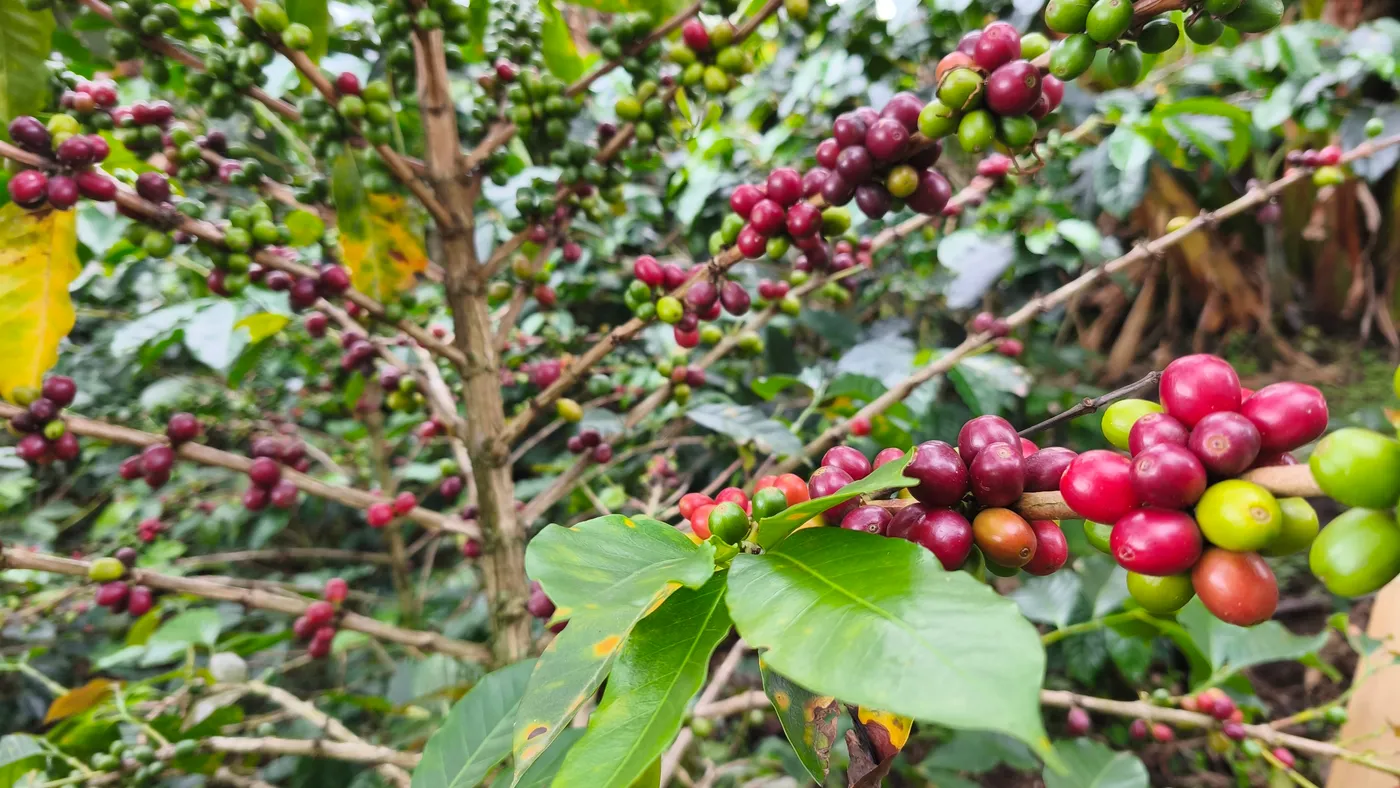
Choose by taste and equipment
Two choices give you a starting point for what to ask for. They are general tendencies, not a promise about a specific coffee.
If you are unsure, buy a small bag first or ask to taste. A coffee that suits someone else may not suit you.
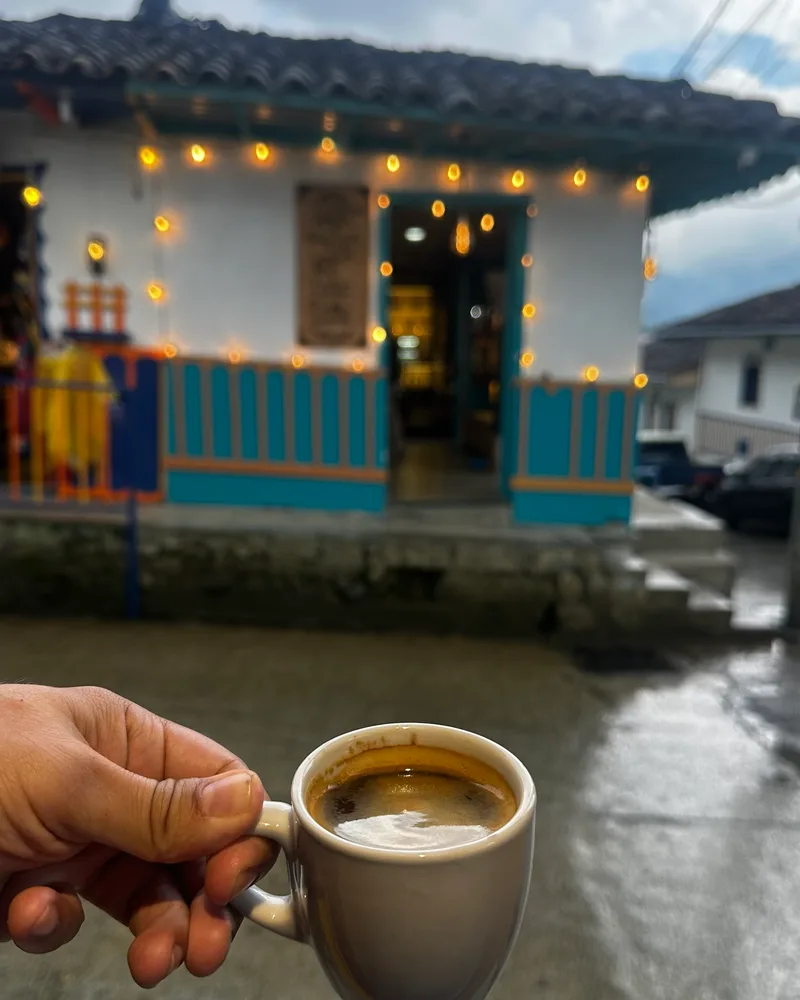
What do variety, process and roast mean?
These three words explain a lot of the difference between bags. They describe tendencies: how a coffee often tastes, not what a specific bag will taste like.
Variety is the type of coffee plant. Caturra, Castillo, Typica, Bourbon and Geisha are some names you may find on Colombian bags. Variety influences the cup, but so do the farm, the climate, the processing and the roast. A well-known variety is not a promise of a better coffee.
Species and altitude. Most Colombian coffee is arabica, which tends to taste sweeter, softer and more complex than robusta, with less caffeine. Robusta tends to be more bitter and earthy, with about twice the caffeine. Altitude follows a similar logic: higher farms are often associated with brighter, more acidic cups and lower farms with softer, sweeter ones. These are general tendencies, and a specific bag can be different.
Process is how the coffee fruit was removed from the bean after harvest.
| Process | What happens | Tendency in the cup |
|---|---|---|
| Washed | The fruit is removed before drying the bean | Often cleaner and clearer, with more defined acidity |
| Natural | The bean dries inside the whole fruit | Often fruitier, with more body and sweetness |
| Honey | Part of the fruit is left on the bean while drying | Often somewhere in between, with a rounded sweetness |
| Experimental (for example, controlled fermentation) | The producer changes fermentation or drying | Varies a lot; ask the roaster what was done |
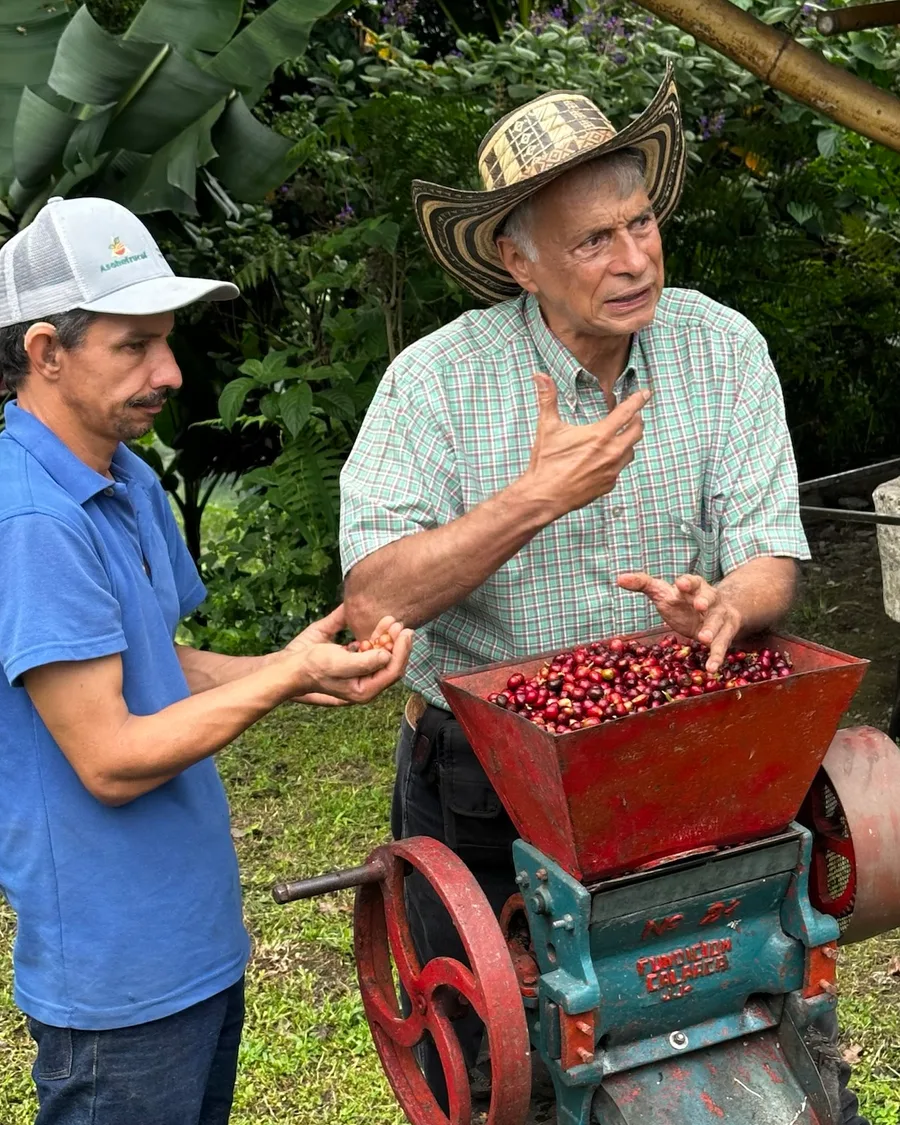
Roast is how far the beans were roasted.
| Roast | Tendency in the cup | Often suits |
|---|---|---|
| Lighter | More of the coffee’s own character, often brighter and fruitier | Pour-over, AeroPress |
| Medium | A balance of sweetness, acidity and body | Almost any method |
| Darker | More bitter and toasty notes, less origin character | Espresso, moka, French press |
Roast names are not standardized. One roaster’s “medium” can be another’s “dark”, so compare the description and, whenever you can, the taste.
Coffee changes a lot between the farm and the cup. Three stages you may hear about: drying on raised beds, green (unroasted) beans, and roasted beans.
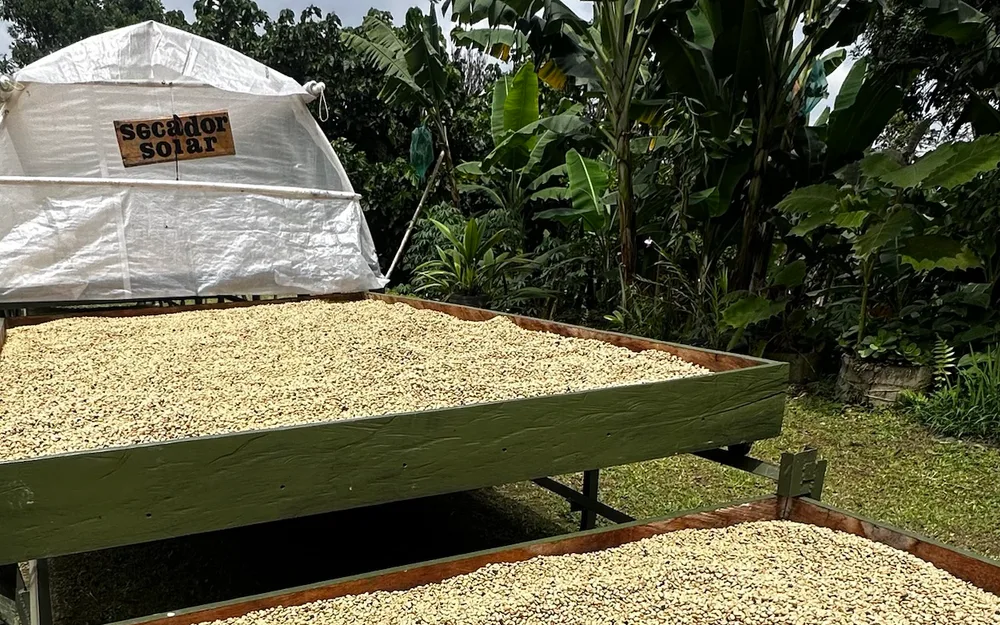
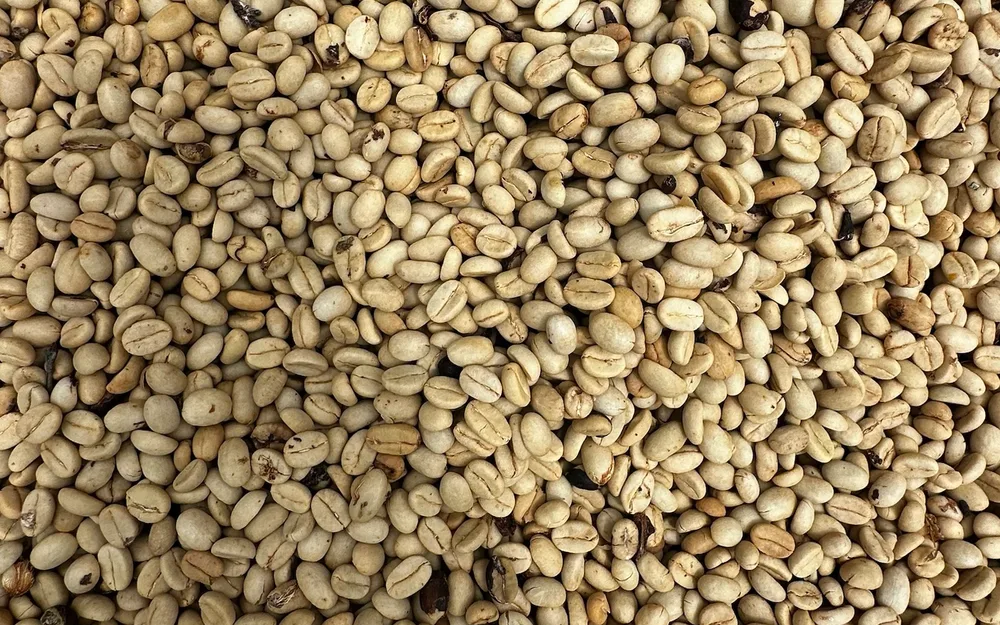
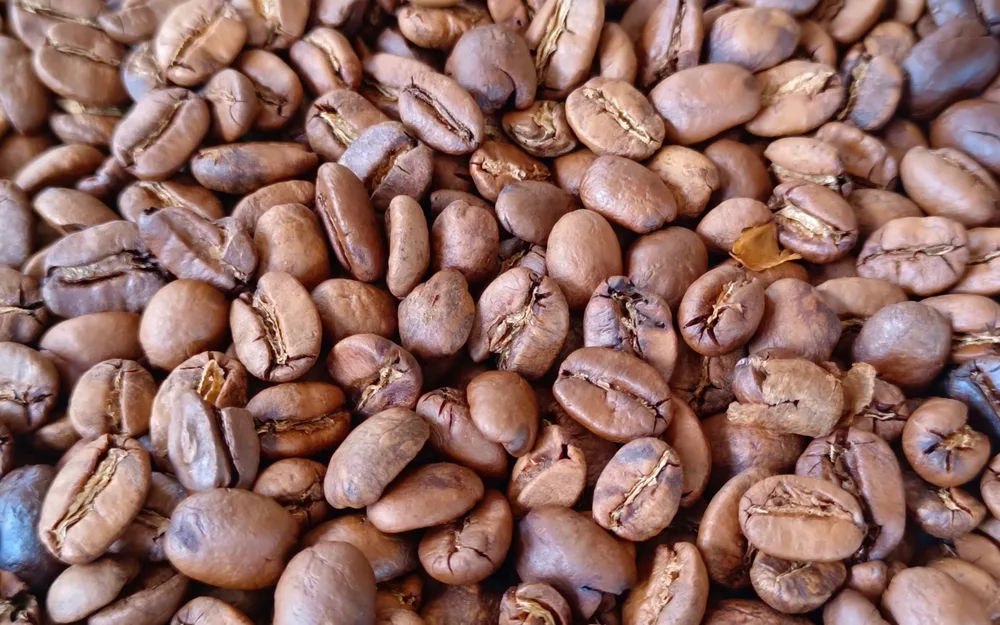
Should I buy whole beans or ground coffee?
Whole beans keep their aroma longer, and you choose the grind for your method. They are the better option if you own, or will buy, a grinder.
Ground coffee is easier if you have no grinder. Ask the shop to grind it for your method, buy a small bag and use it sooner, because ground coffee loses aroma faster.
Either way, ask for the roast date, choose a quantity you can finish within a few weeks, and keep the bag closed, away from heat and light.
Which brewing equipment do I need?
Pick the method before the coffee. It sets the grind and, often, the roast you should look for.
| Method | Grind | What you also need | Good to know |
|---|---|---|---|
| Pour-over (V60, Kalita, Chemex) | Medium-fine to medium | Paper filters, kettle, ideally a scale | Highlights clarity and the character of the coffee |
| AeroPress | Medium-fine | Paper filters | Compact and sturdy, easy to carry home |
| French press | Coarse | Nothing extra | Fuller body, no filters to buy |
| Moka pot | Fine to medium-fine | A stove compatible with your pot | Strong, concentrated cup |
| Espresso machine | Fine | A grinder, ideally on the machine | Ask if the coffee is roasted for espresso |
If you travel light, a hand grinder and an AeroPress are an easy pair to pack, but check the size and weight limits of your airline.
Where can I explore coffee shops in Cartagena?
Our list of 10 coffee shops in the Walled City and Getsemaní is the place to start. It includes a shop that supports growers from San Jacinto and Montes de María, which is useful if you want to buy beans with a clear origin.
You can also open the map of Cartagena coffee shops on Google Maps in a new tab. It is a separate Google service and loads only if you follow the link.
Before you go, confirm opening hours and whether each shop sells bags to take home, because those details change. These shops are independent businesses and have no connection with Holidays in Colombia.
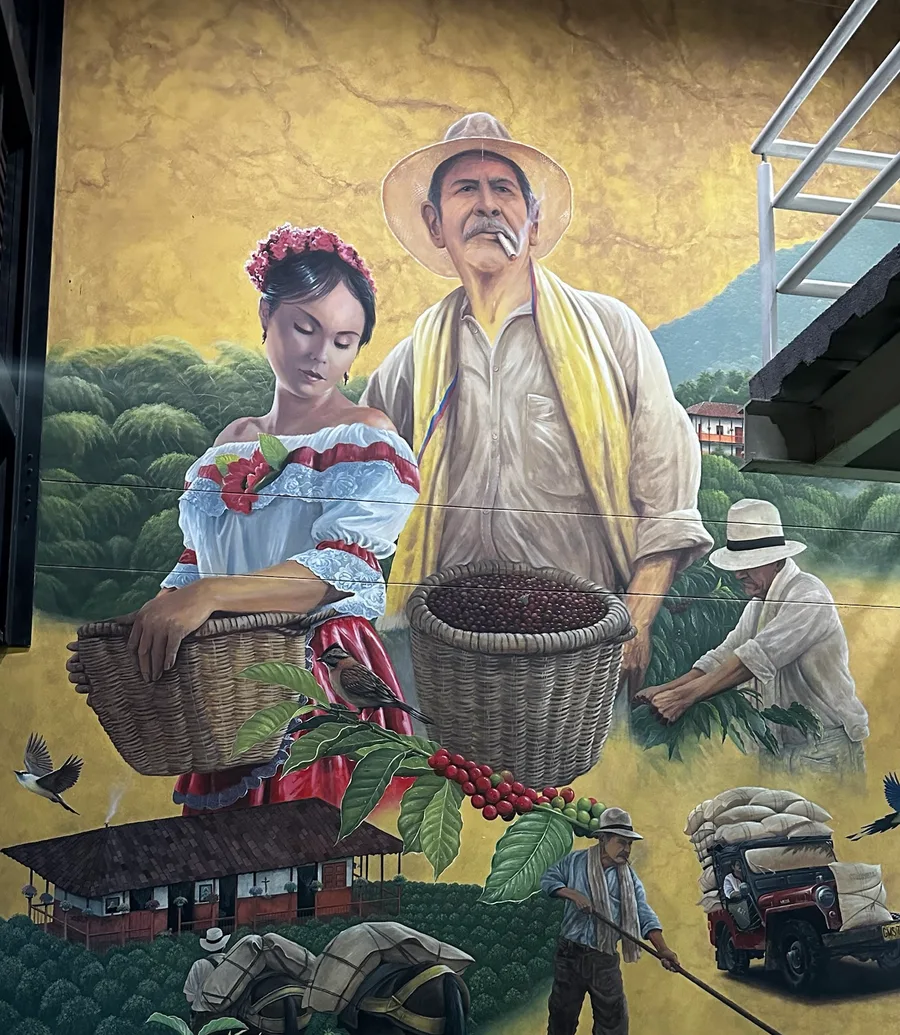
If you would rather learn to taste first, ask about our Colombian coffee tasting in Cartagena. To see where the coffee grows, read our Coffee Region travel guide.
Printable checklist
Print it or keep it open on your phone while you shop.
Printable checklist: buying coffee in Cartagena
Holidays in Colombia · How to buy Colombian coffee in Cartagena
Shop details change. Confirm opening hours, availability and whether they sell bags directly with each shop before you go.
Where to read more
These are general references and not endorsements of any product or shop: the Specialty Coffee Association for brewing and tasting resources, and the Federación Nacional de Cafeteros de Colombia for information on Colombian coffee growing.
Need help planning your time in Cartagena? Contact us and we will help you build the trip.
Want help planning this trip?
Tell us your dates and interests and we will send you a personal quote.
Registered tour operator · RNT 74577