If you are planning a trip to Colombia’s Coffee Region, here is the short answer: allow 3 to 4 days, base yourself in a country hotel in Quindío (or in Salento), and combine three things: a working coffee farm, the Cocora Valley’s wax palms and one local experience such as hot springs, birdwatching or Parque del Café. Travel in any month; flights are the only thing you book separately.
This guide explains where to go, how many days you need, which experiences are worth your time, when to visit, how to get there and what it costs. You can see every package and experience, with prices, on our Coffee Region tours page.
What is the Coffee Region?
The Coffee Cultural Landscape of Colombia (Paisaje Cultural Cafetero, also called the Eje Cafetero) is a stretch of green Andean mountains in Quindío, Risaralda, Caldas and Valle del Cauca. UNESCO inscribed it as a World Heritage Site in 2011 because coffee growing shaped everything here: the family farms on steep slopes, the villages with colorful balconies, the food and even the jeeps that carry people and sacks of coffee.
It is a small region. Most places mentioned below sit within one to two hours of each other, which is why you can combine a coffee farm, a hike and a village in a single trip.
How many days do you need?
| Days | What fits | Our package |
|---|---|---|
| 3 days / 2 nights | A country hotel, Parque del Café and easy transfers | Coffee Region Essentials |
| 4 days / 3 nights | Parque del Café plus the Cocora Valley and Salento | Coffee Region Classic |
| 4 days / 3 nights | Coffee haciendas, Filandia, Cocora and the Cordillera villages | Enchanting Coffee Region |
Three days is the minimum to enjoy the region without rushing. If you have five or more days, mix a package with extra day experiences such as hot springs, birdwatching or paragliding.
The best places to visit
Salento and the Cocora Valley
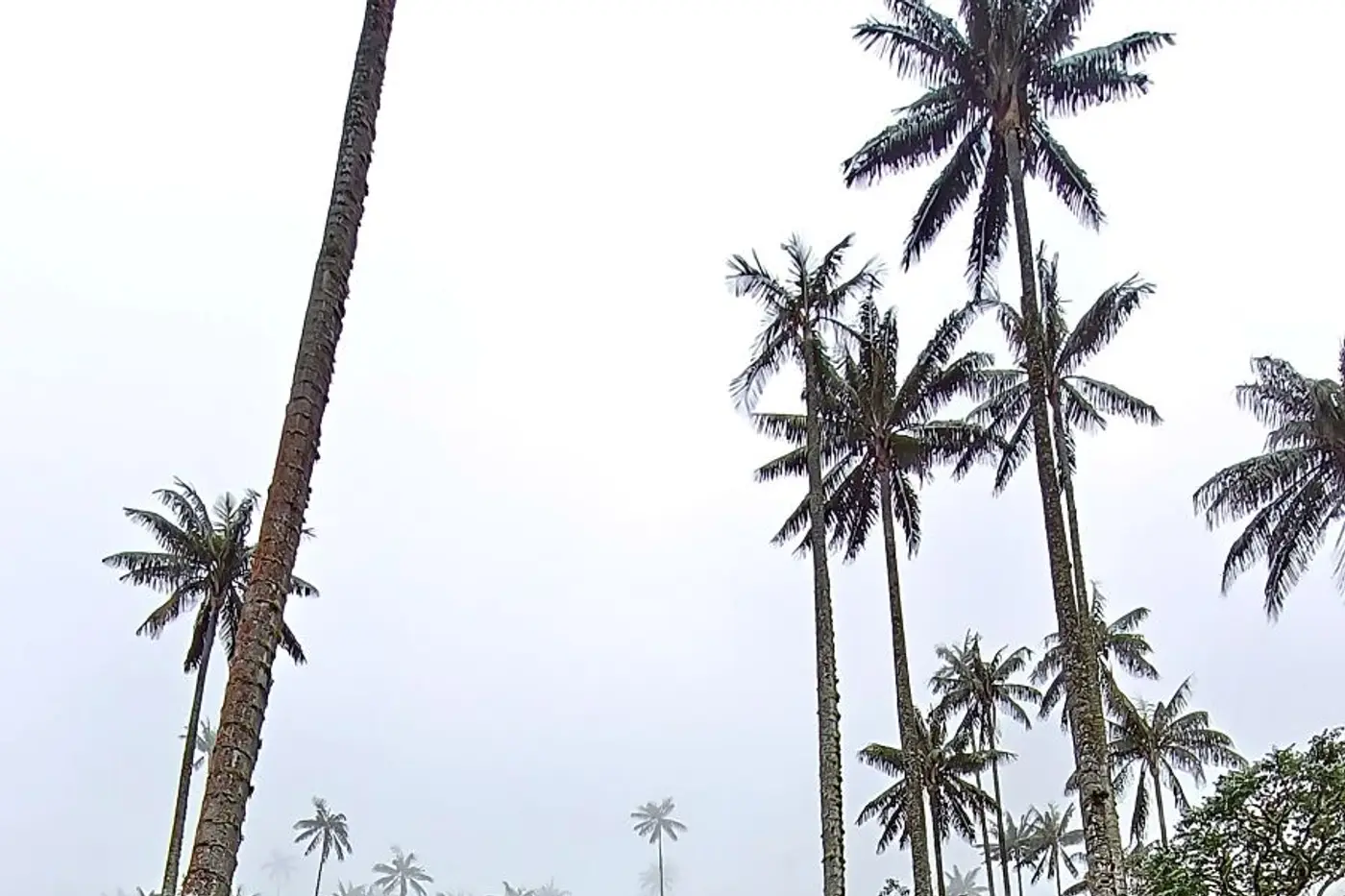
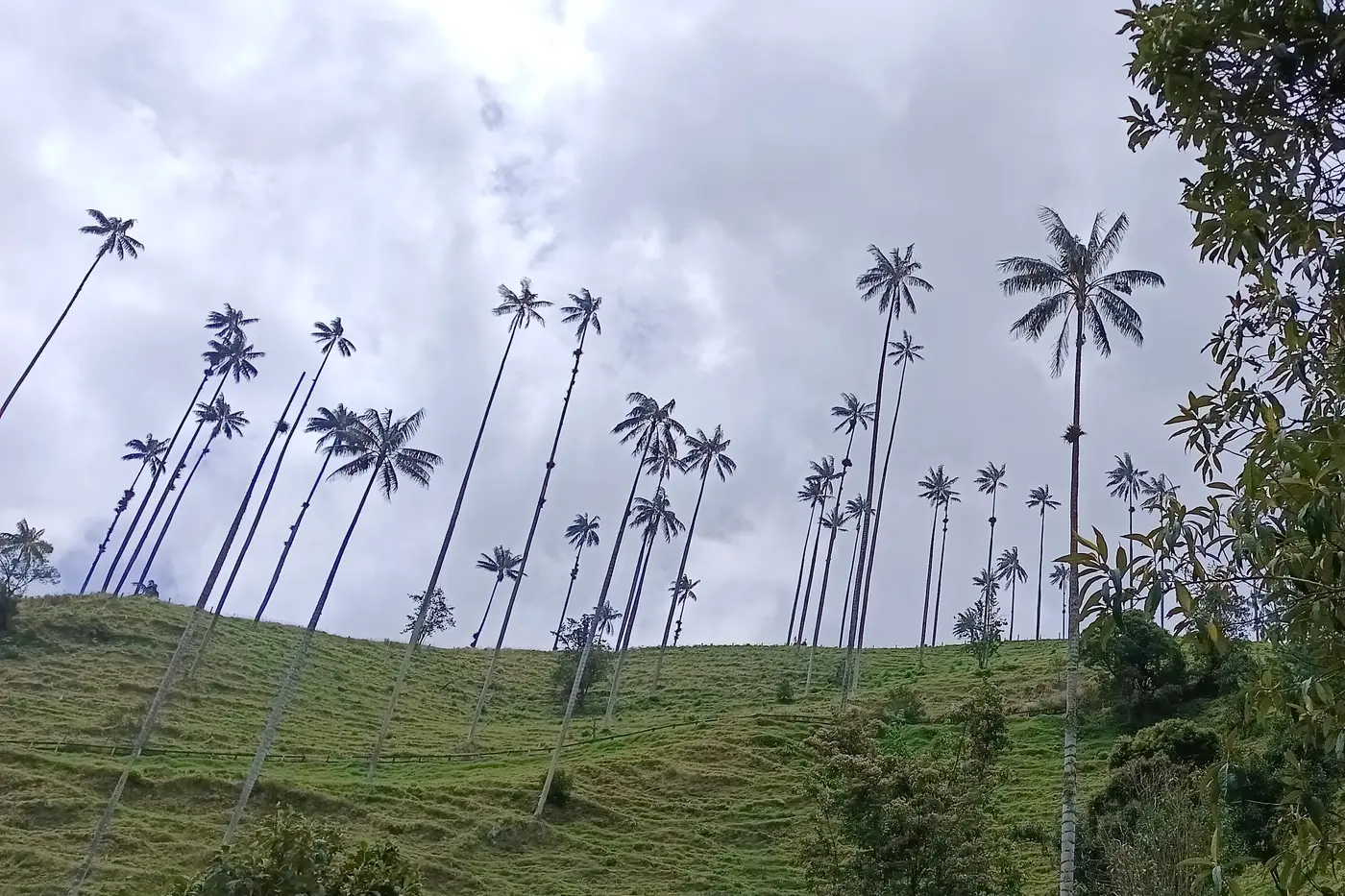
Salento is the postcard village: a colorful Calle Real, craft shops and a viewpoint over the valley. A short jeep ride away, the Cocora Valley is home to the Quindío wax palm, Colombia’s national tree, which can reach about 60 meters. The easy option is a viewpoint walk; the longer one is a loop through cloud forest, hanging bridges and the Acaime reserve, where hummingbirds feed.
Choose between a private Cocora Valley and Salento tour, a cheaper shared tour from Armenia or the longer Cocora hike to Acaime. Read more in our Salento and Cocora Valley guide.
Filandia, Pijao and the Cordillera villages
Filandia is quieter than Salento and known for its basketry and galleries. Pijao, part of the Cittaslow slow-town movement, and Córdoba (famous for its use of guadua bamboo) sit in the Cordillera, with Buenavista, a lookout over the Quindío landscape. A full day links several of them: the Filandia, Cocora Valley and Salento full-day tour or the Cordillera jeep tour.
Armenia, Pereira and Manizales
The three main cities double as arrival points. Each has a short city tour that works well on arrival or departure day: Armenia with the Quimbaya Gold Museum, Pereira and Manizales with its tall cathedral and cable car.
The best experiences, by interest
- Coffee. Visit a traditional farm, see the seedbeds, the processing and drying, and finish with a cupping workshop: the coffee farm tour.
- Chocolate and country life. Harvest and taste on a cacao farm or spend a day as a farmer.
- Nature. Try birdwatching or the wax palm cloud-forest hike near Pijao.
- Wellness. Relax in the hot springs.
- Adventure. Take a tandem paragliding flight or ride horses through the hills.
- Families. Parque del Café and PANACA keep children busy all day.
When is the best time to go?
You can travel all year, because the temperature barely changes with the seasons. December to February and June to August are the driest and busiest months. March to May and October to November have more rain, greener landscapes and fewer visitors. Hotels charge higher rates in high season: Holy Week, the October school break and the weeks around Christmas and New Year. For a month-by-month view see our best time to visit guide.
How to get there
You fly into Armenia (El Edén), Pereira (Matecaña) or Manizales, usually connecting through Bogotá or Medellín. By road, the region is roughly 7 to 9 hours from Bogotá and about 5 hours from Medellín, so most travelers fly. Our packages include airport and terminal transfers in Armenia; arriving in Pereira or Manizales is possible with a transfer supplement. Full details in our how to get to the Coffee Region guide.
What does a Coffee Region trip cost?
Prices depend on the hotel, the season and the size of your group, so we publish them openly, per person and in Colombian pesos:
- Hotel packages start at COP 810,000 per person for 3 days and 2 nights, with breakfast and dinner, Parque del Café and Armenia transfers. They are priced for two travelers sharing a room.
- Day experiences start around COP 430,000 per person for a coffee farm tour with two travelers, and fall as the group grows.
- Early-booking discount: 5% if your trip starts 60 or more days after booking and 10% at 90 or more days, on hotel packages.
- Not included: flights, meals not listed, National Parks taxes and tips.
A 4-day Coffee Region itinerary
- Day 1. Arrive in Armenia or Pereira, transfer to your hotel and enjoy a country-house dinner.
- Day 2. Coffee farm in the morning; Parque del Café or a village walk in the afternoon.
- Day 3. Cocora Valley and Salento, with lunch and a stroll along the Calle Real.
- Day 4. Optional sunrise birdwatching or hot springs, then transfer to the airport.
Practical tips
- Bring a rain jacket and layers: mornings are cool in the valley and it can rain any month.
- Wear shoes with good grip for the Cocora trails; the ground gets muddy.
- Carry cash for small purchases in villages.
- Book the Cocora Valley on a weekday if you can: the destination has a carrying capacity and weekends are busier.
Free PDF portfolio
We put every experience in one file, with photos, what is included, schedules and recommendations. The PDF is in Spanish.
Plan your trip with us
We are Holidays in Colombia, a registered tour operator based in Cartagena (RNT 74577). We operate these trips ourselves, so you speak directly with the people who run them.
Frequently asked questions
How many days do I need in Colombia's Coffee Region?
Plan at least 3 days. Three days cover a country-hotel stay and Parque del Café. Four days add the Cocora Valley and Salento, or a coffee hacienda stay with Filandia and the Cordillera villages.
How much does a trip to the Coffee Region cost?
Our hotel packages start at COP 810,000 per person for 3 days and 2 nights, with breakfast and dinner, Parque del Café and Armenia transfers. Day experiences start around COP 430,000 per person for a coffee farm tour with two travelers, and cost less per person in larger groups. Flights are not included.
What is the best month to visit the Coffee Region?
Any month works. December to February and June to August are the driest and busiest; March to May and October to November are rainier, greener and quieter.
What is the best base: Salento, Armenia or Pereira?
Salento suits hikers and first-timers who want the Cocora Valley at the door. Quindío country hotels near Montenegro, Quimbaya and Armenia suit families and Parque del Café. Pereira and Manizales are best if you arrive there or want city and hot-springs days.
Can I visit the Coffee Region without a car?
Yes. We sell hotel packages and day tours with transport and hotel pick-up, so you do not need to rent a car or manage buses.
Do I need a guide for the Cocora Valley?
Not for the main viewpoint, but a guide adds the cloud-forest and wax-palm story, and is useful for longer hikes such as the Acaime hummingbird reserve trek.
Are flights included in your Coffee Region packages?
No. You fly into Armenia, Pereira or Manizales and we arrange the ground side. Packages include Armenia airport or terminal transfers.
Want help planning this trip?
Tell us your dates and interests and we will send you a personal quote.
Registered tour operator · RNT 74577