The short answer: the Lost City is visited on a guided 4, 5 or 6-day hike from Santa Marta, about 52 km through jungle, rivers and Indigenous communities, ending with 1,200 stone steps up to a Tayrona city dating from around 700 AD. It is demanding, and it is one of the most special experiences on Colombia’s Caribbean coast.
This guide is part of our Santa Marta travel guide. For the full plan and a quote, see Lost City Trek: 4, 5 or 6 Days.
What the Lost City is
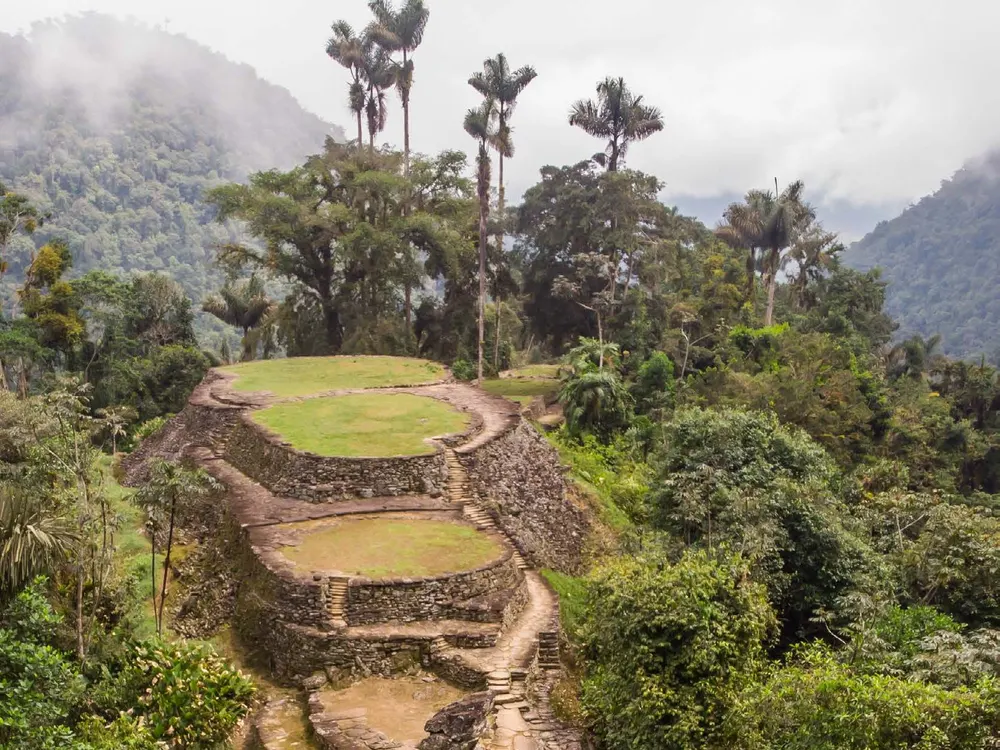
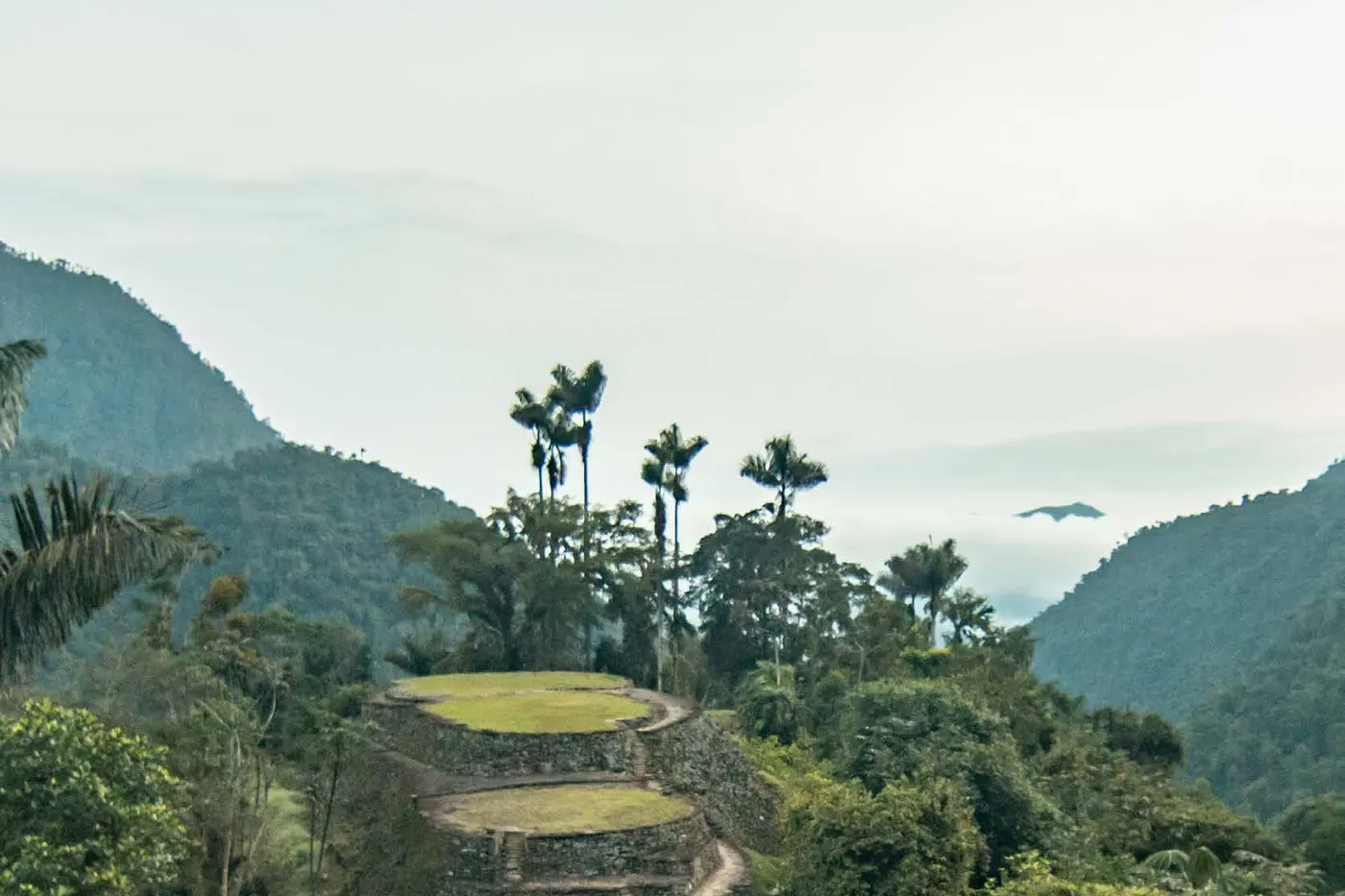
It is a stone city of paved paths, retaining walls and round terraces where the ancient Tayrona homes stood, on the northeastern slope of the Sierra Nevada de Santa Marta. Today it is surrounded by the Wiwa, Kogui and Arhuaco communities, descendants of that civilization, who still care for the mountain.
What the trek is like
The route leaves by jeep from Santa Marta to El Mamey and continues on foot. The three versions:
- 4 days / 3 nights. Day 1: a hike of about 7.6 km with a stop at the Tres Cruces viewpoint to the first camp. Day 2: a swim in the Buritaca River and a walk past the Kogui village of Mutanyi to the third camp. Day 3: the climb up the 1,200 steps, a visit to the archaeological park and back to the second camp. Day 4: descent to El Mamey and the return to Santa Marta.
- 5 days / 4 nights. The same through day 3, with the return split over two days and an extra night at the first camp.
- 6 days / 5 nights. More time at the river and in the Indigenous reserve, with cultural exchange with Wiwa and Kogui people.
Camps have toilets and showers; at some, electricity is limited or runs only a few hours at night.
What to expect from the weather and the trail
- Tropical jungle: 26 to 32 °C by day, with high humidity, and nights down to 18 °C.
- Mosquitoes and biting midges: bring repellent.
- Rain is likely, especially at dusk, and parts of the trail get muddy.
- River and stream crossings: your shoes must handle water.
What to pack
- A good-size backpack and, inside, three sets of clothes: one for walking, one for sleeping and one for swimming in the rivers. Quick-dry fabric helps.
- Boots or sneakers with good grip and sandals to rest in.
- Swimsuit and long clothes for the night.
- Sunscreen, repellent, medication, toilet paper, shampoo and soap.
- A 1 to 2 liter water bottle (the guide provides water from the second day) or a hydration bladder.
- Cash for drinks, crafts or tips.
- Quick-dry towel, power bank, rain cover for the pack, flashlight, camera and hand sanitizer.
Best time to go
The dry months, December to March, are usually the most comfortable, with less mud. The rest of the year brings more rain and more green, and the trail can be heavier. Confirm dates before booking: the route can close for periods and trail traffic changes with the season.
Respect for the communities
You walk through Indigenous territory. Ask permission before photographing people, follow your guide’s instructions and look after the environment. The lodging and food belong to the communities, and part of what you pay goes to them. A visit to the Mamo and mules during the trek cost extra.
Before you decide
Compare with other options nearby, like the Gotsezhy refuge visit, 1 or 2 days with the Wiwa community, or the Cerro Kennedy trek. For the coast, read the Tayrona Park guide and the one on Minca and the Sierra Nevada. Tell us your dates and we will send you a personal quote.
Frequently asked questions
How many days is the Lost City trek?
There are 4, 5 and 6-day options. The 4-day is the fastest; the 5 and 6-day leave more time at the rivers and with the communities.
How hard is the hike?
It is demanding: about 52 km in total, steep ups and downs, heat and humidity, and 1,200 stone steps up to the city. It needs no mountain technique, but good fitness.
Where do you sleep?
In camps run by local communities, in hammocks or beds with mosquito nets. The lodging is independent and quality depends on each camp.
What is the best time to go?
The dry months, December to March, are usually the most comfortable, but it can rain in the jungle any month, mostly at dusk. Confirm dates before booking, because the trail can close for periods.
Can I go without a guide?
No. The route is only done with an authorized guiding company and a licensed guide.
Want help planning this trip?
Tell us your dates and interests and we will send you a personal quote.
Registered tour operator · RNT 74577